![Anuchard - Retro Edition - Premium Edition Games #18 [Nintendo Switch] Nintendo Switch Video Game Premium Edition Games](http://myshopville.com/cdn/shop/files/anucahrdstandardeditionpremiumeduitiongames_18nintendoswitchcover_1b9588a7-a871-40cb-8b37-7899a2ae1d4c.jpg?v=1713203974&width=450)
![1971 Project Helios [PlayStation 4] PlayStation 4 Video Game GS2 Games](http://myshopville.com/cdn/shop/files/1971projectheliossonyplaystation4ps4videogamecasecover.jpg?v=1687539142&width=450)
![2016 25-Cent Lenticular Coin: Batman vs. Superman Dawn of Justice [Memorabilia] Memorabilia Royal Canadian Mint](http://myshopville.com/cdn/shop/files/batmanvssupermandawnofjusticevcoincover.jpg?v=1699480822&width=450)
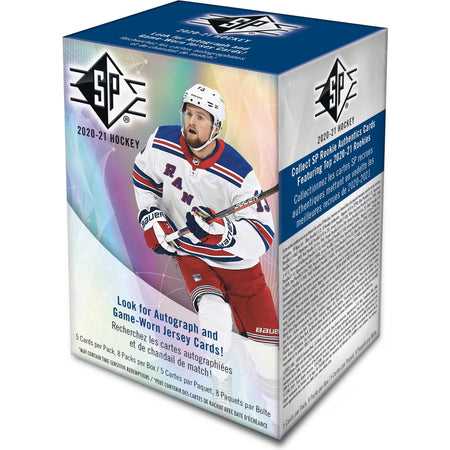
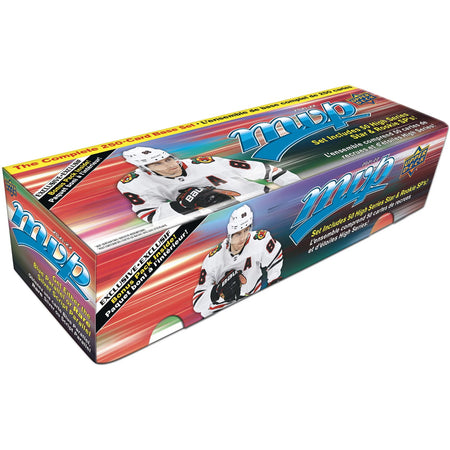
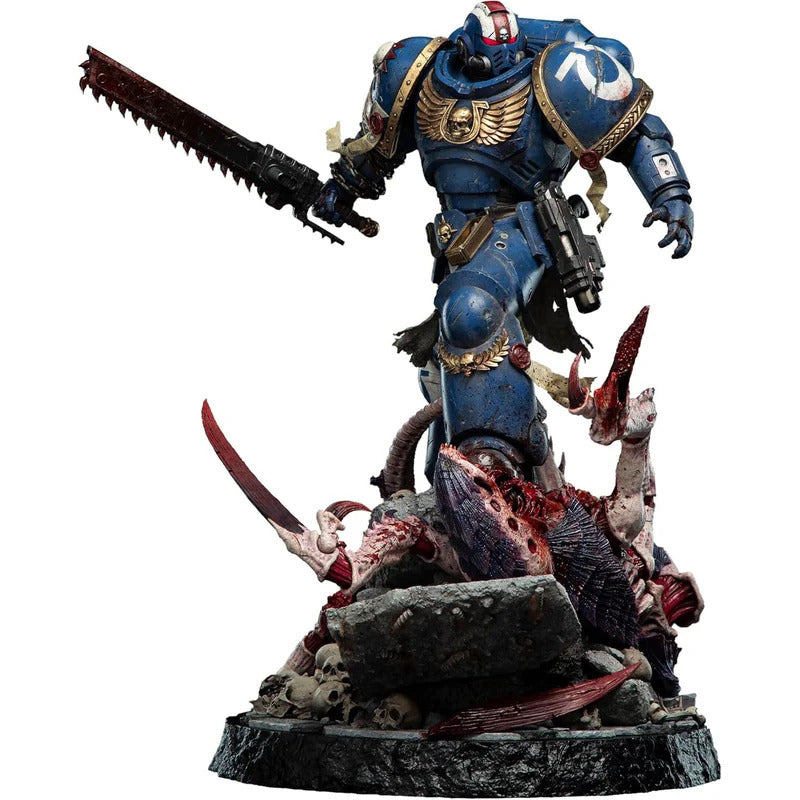
A figure looks great in the box, a special edition game has flashy packaging, or a holographic card catches the light, and suddenly your brain goes, “Well… I didn’t plan on buying anything today”.
That’s the fun part of collecting. But if you’ve been at this for a while, you know the difference between a good pickup and a great one. The great pieces are the ones you’re still happy about years later.
This 7-point checklist covers what to consider before something earns a permanent spot on your shelf so you can build a collection you’re proud of!

1. Rarity
The word “rare” gets thrown around a lot in the world of collectibles. A box can say “limited edition,” but that doesn’t mean much on its own.
Scarcity Might be a Better Way of Thinking About It
How hard is this to replace once it’s gone? A collectible is usually worth paying attention to when it’s rare for a reason, like:
- Short production runs that didn’t get repeated (or got cut off early)
- Store or region exclusives that never had wide distribution
- Older releases where most copies were opened or damaged
- Discontinued lines that collectors chase because nothing replaced them
- Genuine errors or misprints, but only when they’re recognized and verifiable (not every tiny defect counts)
On the flip side, if something is still sitting in stock everywhere six months later, it might be branded as rare, but it’s not scarce.
Quick collector test: if you skip on this Funko POP! today, can you easily grab the same one next month? If not, it may be worth picking up.
2. Condition
If two collectibles are from the exact same release, same edition, same rarity, same everything, the condition they’re in is what will make the difference. A small flaw doesn’t always ruin an item, but it does change what it’s worth.
The Dealbreakers
Cracks, deep creases, crushed corners, missing pieces, and water damage are the kinds of damage that permanently lower something’s value.
The Collector Details
This is where the difference starts to show up:
- A factory seal that’s intact or opened cleanly and carefully
- Inserts, manuals, accessories, and certificates are still included
- Surface wear like scuffs, scratches, paint rub, or cloudy plastic windows
The Time-Honoured Question
Collectibles leave the manufacturer in mint condition. Any wear you see on the resale market usually comes down to how a piece was handled, displayed, or stored by previous owners over time.
With highly detailed brands like McFarlane Toys or Weta Workshop, even small scuffs or shelf wear can stand out.
It’s not about the quality of the piece; it’s about how it’s been cared for. The real question is whether the current condition reflects the level of care you’re looking for, or if you’d prefer to wait for a copy that’s been kept closer to its original state.

3. Demand
Market demand is what gives a collectible staying power. Something is in demand when people still want it months or years after it drops.
This kind of buzz usually sticks around when the item is tied to something people genuinely love: a character with a devoted fandom, immortalized as a Youtooz figure, or a line that’s important in the history of the hobby, like so many Mattel collectibles.
A Simple Example
Something can be rare and, sadly, still get lost to the sands of time. If nobody’s looking for it, it doesn’t carry the same weight. We all remember Beanie Babies…
But, a widely loved figure or collectible from a franchise that people never stop talking about? That’s the kind of thing collectors keep chasing year after year.
The question might not be “is it rare?” The real question might be “do people care?”
4. Authenticity
Authenticity is one of the most important things to collectors. Official licensing is the best way to know for sure that the piece you’re looking at is the real deal. The branding lines up. The packaging makes sense. The details match the release.
You don’t need to be a detective, but a few quick checks help you confirm a collectible’s authenticity:
- Clear licensing and manufacturer markings
- Packaging quality consistent with the brand
- Buying through reputable sellers instead of mystery listings
If something feels off, do a little more digging. A strong collection is built on pieces you don’t have to second-guess.

5. Editions and Variants
Not every version of a collectible carries the same value. Sometimes the differences matter. Sometimes they’re just packaging tweaks.
Here’s where editions tend to make a real impact:
First Prints and Early Runs
When reprints become common, early runs often stand out. Collectors like knowing they have the version that started it all.
Exclusives with Major Differences
Alternate artwork, bundled extras, numbered releases, or packaging that’s clearly different from the standard version.
Variants Collectors Are Hunting For
If collectors are actively looking for that specific version, that interest can make it easier to trade, resell, or showcase as part of a serious collection.
6. Preservation and Display
Most damage doesn’t come from disasters; it comes from everyday life on the shelf. Sunlight fades colours. Humidity warps cardboard. Stacked boxes slowly crush corners. Even regular handling adds small wear over time.
You don’t need a museum-level setup, but a few small habits can go a long way in displaying and protecting your collection:
- Keep items out of direct sunlight
- Avoid high humidity and temperature swings
- Use sleeves, protectors, or stable shelving when it makes sense
- Give boxed items space so they aren’t constantly pressed or shifted
If you’re proud of that new Aniplex figure, it makes sense to display it in a way that keeps it looking sharp. A little care every now and then means you’ll still feel good about it years down the line.

7. Personal Value (Maybe the Most Important Part)
This one doesn’t show up in price guides, but it matters as much as anything else we’ve covered. The best collectibles aren’t always the ones everyone’s talking about or the ones in the best condition. They’re the ones that fit your shelf, your fandom, your goals as a collector.
If seeing a piece makes you stop and think, “Yeah, that totally belongs with the rest of my collection,” you’ve got your answer.
Yes, it’s smart to think about rarity, condition, and demand. But at the end of the day, collecting should be fun! If a piece genuinely makes you happy, that’s the whole point.
Putting the Checklist to Work
You don’t need to overanalyze every purchase. Just run a quick scan.
- Is it authentic?
- Is the condition solid for the price?
- Does demand hold up for these products?
- Is the rarity meaningful?
- Does the edition matter?
- Will it hold up on your shelf?
- And most importantly, do you really want it?
If something checks most of those boxes, it’s probably a good pickup.
Build a Collection You’re Proud to Show Off
Great collections don’t just happen. They’re brought together one smart pickup at a time. When you slow down and think about rarity, condition, demand, and what you actually care about, you start choosing differently. You pass on the “maybe” pieces and hold out for the ones that feel right.
Keep the checklist in your back pocket, trust your collector instincts, and build a shelf you’ll love looking at every day.

FAQs
How do I tell if something is rare or just out of stock?
Out of stock just means it sold out. Rare means it’s not coming back. Check if it’s been restocked before, if other stores still have it, or if the release run is officially done.
Does opening a collectible always reduce its value?
Not always. Sealed items are easier to keep in mint condition, but a carefully opened piece that’s been looked after can still be very desirable. It really depends on the item and the demand behind it.
What kind of damage matters most?
Big structural issues matter most: crushed corners, cracks, water damage, or missing parts. Small wear can be fine depending on the piece. Major flaws are what usually change things.
Are misprints and factory errors valuable?
Not always. Some recognized errors become collectible, like cards in the Pokémon TCG fandom, but a lot of defects actually hurt the value. For a misprint to matter, it needs to be verifiable and widely acknowledged.
What should I prioritize if I’m collecting on a budget?
Focus on authenticity and condition first. Picking up a clean copy of something you genuinely love is always a better move than chasing a “rare” item.
Can modern collectibles still become great long-term pieces?
Definitely, age helps, but it’s not the only thing that matters. New releases can become future classics if demand stays strong and copies are well cared for.